Top Grain Leather Work
This is the second-highest grade of leather. It’s thinner and more flexible than full grain. Its surface has been sanded and a finish coat added, which results in less breathability but it will not show as many marks or scars.
The journey of top grain leather work stretches from ancient civilisations to contemporary fashion houses. Its appeal and longevity are a testament to its versatility and quality, allowing it to survive the test of time. In this respect, it is a stalwart within the field of leather craftsmanship.
Top grain leather, in simple terms, refers to the upper layer of a hide that's been split into two pieces. This upper layer—otherwise known as the "grain"—undergoes a process of sanding to remove its imperfections. The result is a consistent, flawless surface that lends itself to further treatment and manipulation. Unlike full grain leather work, where no artificial alteration to the hide is performed, top grain leather work employs a range of techniques to get the leather ready for use.
The history of top grain leather work is as vast and varied as the cultures that have practiced it. Leather work in general, and top grain leather specifically, can be traced back to ancient Egypt, where it was used widely in both the construction of everyday items like sandals and more ornate pieces of decorative furniture. Egyptian craftsmen were pioneers in the field, using basic tools and their hands to manipulate the raw material.
The Romans further developed the practice, making strides in tanning—the process of turning raw hides into usable leather. Tanning was often done using a mixture of plant tannins, water, and decayed animal fats, which were then applied to the leather. Despite these somewhat unpalatable origins, the resulting strong, supple leather laid the foundations for the top grain leather work we know today.
Looking back at history, the British leather industry experienced substantial growth during the eighteenth century, with top grain leather becoming central to the booming footwear industry. Over time, more sophisticated techniques emerged, and various substances were used to apply a fine coating to the top grain leather to achieve uniformity and a polished finish. Top grain leather became synonymous with high-quality footwear and was a prized material in shoemaking for its balance between durability and craftability.
In the modern context, top grain leather still holds a prominent place in various industries. From handbags to furniture, it is favoured for its uniform appearance and resilience. After tanning, top grain leather is then smoothed or corrected, where any remaining imperfections are buffed or sanded away. It is typically finished with a pigmented coating which gives it that pleasing, even tone, making top grain leather highly sought-after in products where aesthetics are as important as durability.
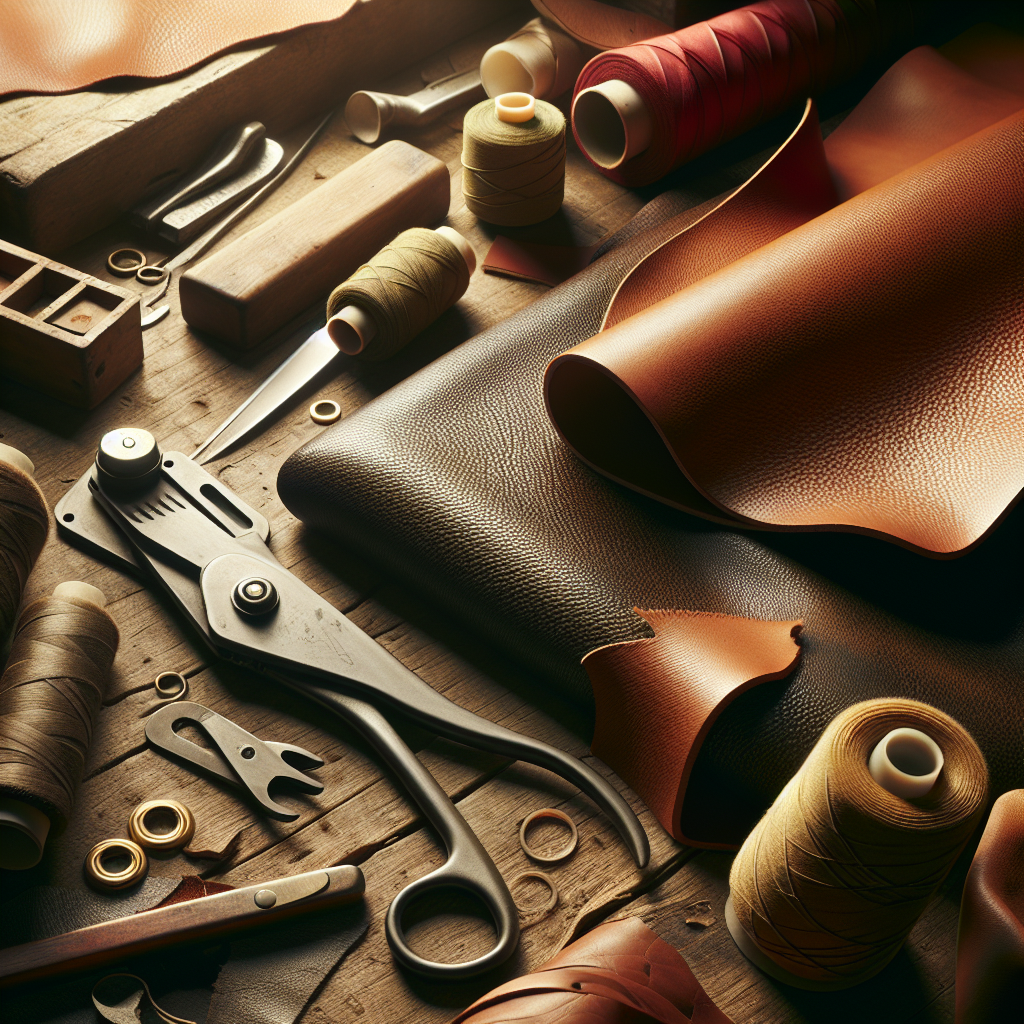
Once the top grain leather is prepared, it is then cut and assembled into the desired products. Artisans and manufacturers alike will utilise a suite of traditional techniques—such as hand-stitching, riveting, and lacing—as well as modern methods to manipulate the leather.
In conclusion, top grain leather work represents a fascinating merger of ancient traditions and modern technological approaches. Its history is steeped in craftsmanship and ingenuity, and it continues to be a favourite material worldwide due to its beauty, resilience and versatility. As we move forward, top grain leather work will undoubtedly continue to evolve but its roots will forever remain in the centuries of skilled craftspeople who have perfected their trade.