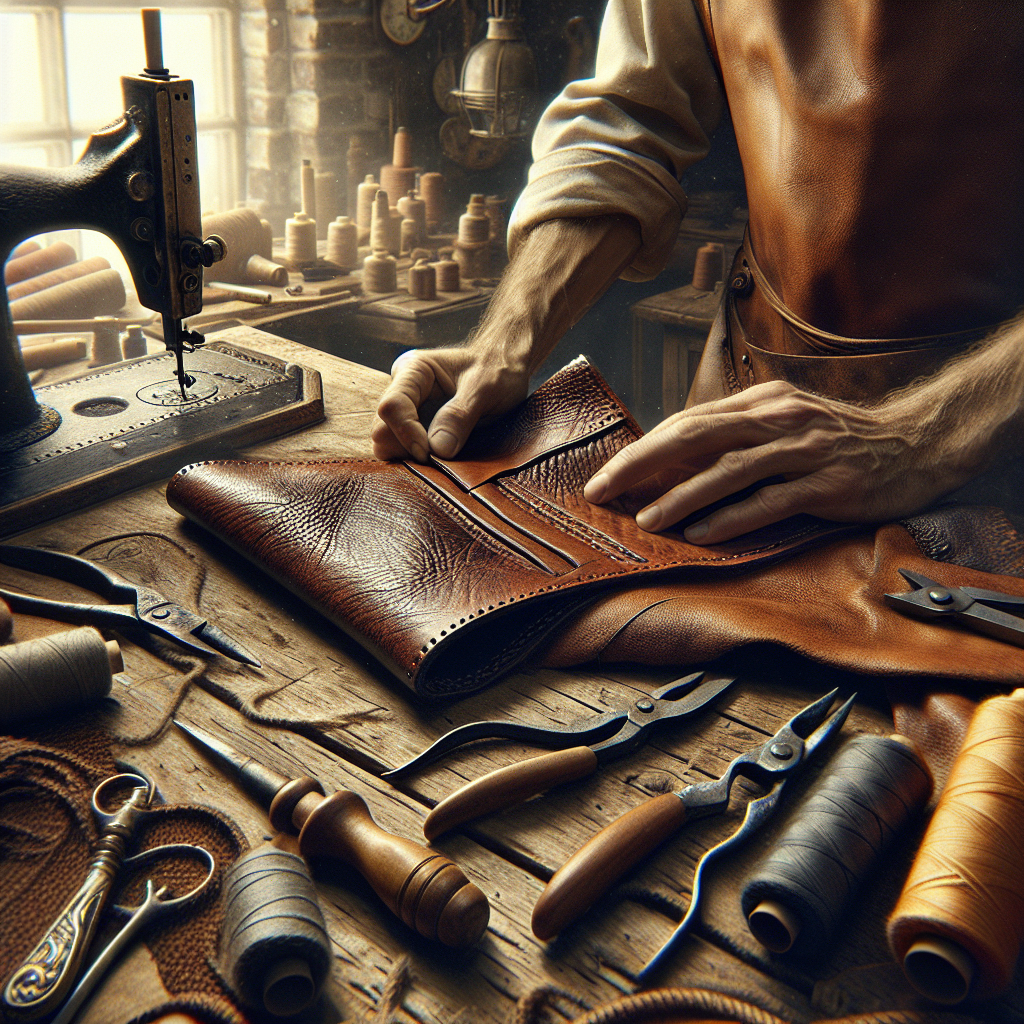
Genuine Leather Work
Genuine leather isn't a marketing term that denotes quality like "full grain". It simply means "real" leather. This type of leather is commonly used for suede and is typically found in belts, shoes, and lower-end bags.
Genuine leather undoubtedly has a rich and significant history. As one of the most widely used materials across the globe, its use permeates a vast array of industries, from fashion and interior decor to bookbinding and even transportation. The term ‘genuine leather’, however, has in recent years become somewhat misunderstood. It simply refers to any product made of real leather, as opposed to synthetic or faux alternatives. However, it is often associated with products that are of lower quality than their full-grain or top-grain counterparts.
One can trace the origins of the use of genuine leather thousands of years back into antiquity. Our ancestors turned towards the hides and skins of the animals they hunted for sustenance, drying, and tanning them to create durable, versatile materials. These were used for a variety of purposes, from clothing, footwear, and rudimentary bedding to makeshift shelters or even conveyances.
As civilisations advanced, so did the methods used in processing hides. Ancient Egyptians were known pioneers of early leather work, using the skins of various animals for a range of applications, including weapons, tools, boats and even in the preservation of their dead. As societies expanded and trade began to flourish, the use of genuine leather spread, becoming an established industry in regions of Greece, Rome, and later during the industrial revolution, in the United Kingdom.
The process of turning animal skin into usable genuine leather is a labour-intensive one that has been refined over the course of centuries. The hides are first prepared by soaking in a lime solution to remove any residual hair and flesh. After this, they are treated in a process known as tanning, using tannins derived from tree bark to preserve the leather and make it resistant to decomposition.
Once tanned, the leather is then conditioned, dyed, and finished according to the intended end-use. Genuine leather, unlike its top-grain cousin, retains many of the natural imperfections and unique characteristics of the hide. This can include scratches, brand marks, and insect bites, lending each piece of genuine leather a distinct individuality.
Genuine leather cultivating techniques have been passed down through generations. Artisans and craftsmen cut, shape, and mould the leather to create the desired product. Tools such as knives and shears, awls, punches, and mallets are employed in the process, which can be as meticulous as lacing or as robust as moulding and stretching.
As the industrial age dawned, the demand for saffian leather only grew. Sectors such as automotive and fashion industries, in particular, embraced the material for its durability, functionality and innate aesthetic quality. Fast forward to the present, genuine leather work has benefited immensely from modern technological advances, allowing for efficient, high-precision production methods, while artisan methods remain highly valued for their intimacy and craftsmanship.
In conclusion, the history and methods of genuine leather work highlight a profound connection between mankind and nature. Its journey from raw hide to finished product speaks volumes about our evolution as a society and our continual striving for utility, quality, and beauty in materials. Despite the emergence of synthetic alternatives, the appeal and value of genuine leather have stood the test of time, speaking volumes of its versatility and deep-rooted place in our shared human history.